Mold and Basement Mold Removal Washington, DC: Your Trusted Partner for a Healthy Home
Have you noticed a musty odor lingering in the air of your Washington, DC home, or perhaps visible staining on your walls? These could be tell-tale signs of a hidden invader: mold. Mold growth in your property is more than just an cosmetic problem; it creates significant risks to your propertys structural integrity and, more importantly, to the health and well-being of your family, employees, or occupants.
If youve suspect mold in your Washington, DC residence or commercial property, immediate professional action is non-negotiable. At Mold and Basement Mold Removal Washington, DC, we blend cutting-edge technology with eco-friendly, proven, and non-toxic methods to eradicate mold and protect your indoor air quality. Were more than a mold removal service; were your reliable partners in creating a healthier home or business environment throughout Washington, DC.
We recognize the uncertainty mold discovery can bring. Its a problem that often goes unnoticed, thriving in moist, enclosed areas like crawlspaces, attics, and wall cavities. Our mission is to ease that stress by delivering comprehensive, transparent, and long-lasting mold solutions that address the root cause, not just the surface growth.
From in-depth inspections and professional mold testing to complete remediation and safe removal, Mold and Basement Mold Removal Washington, DC provides a full range of services designed for the specific moisture conditions and housing challenges of Washington, DC. Dont let mold to compromise your health or diminish your propertys value. Read on to discover how our expert team can help you breathe easier.
Navigating the Nuances: What is Mold Remediation?
When you hear terms like mold remediation and mold removal, its easy to assume theyre interchangeable. In practice, understanding the distinction is essential to achieving a complete solution for your Washington, DC home.
Mold remediation is a all-encompassing process that starts well before any mold is physically removed. It covers the entire strategy for locating, evaluating, isolating, and controlling mold growth. At Mold and Basement Mold Removal Washington, DC, our remediation process is carefully designed to go beyond addressing visible mold but also to eliminate the environmental factors that allow mold to thrive.
What is Mold Removal?
While professional remediation is the big-picture approach, physical mold elimination is the crucial process of physically eliminating mold from your Washington, DC property. This phase demands specialized training, professional tools, and a meticulous approach to ensure all signs of mold are eliminated safely and effectively. At Mold and Basement Mold Removal Washington, DC, our trained and certified technicians follow the highest industry standards, safeguarding your property and the well-being of its occupants throughout the entire process.
Our Mold Remediation Process in Washington, DC:
- Thorough Inspection and Assessment: Our certified mold specialists in Washington, DC start with a thorough inspection of your property. This inspection involves:
- Visual Examination:Detecting visible mold, along with areas affected by moisture.
- Moisture Mapping: Utilizing state-of-the-art moisture meters and thermal imaging cameras to locate hidden moisture issues within walls, ceilings, and flooring. This is particularly vital in a region like Washington, DC, where humidity changes can be extreme.
- Identifying Water Intrusion Points: Locating roof leaks, plumbing issues, foundation defects, or inadequate ventilation that cause elevated moisture conditions.
- Understanding Airflow Dynamics: Inspecting ventilation systems, particularly high-humidity areas such as bathrooms, kitchens, and basements common mold hotspots in Washington, DC homes.
- Advanced Mold Testing: While a visual inspection often confirms mold, testing supplies crucial data.
- Air Sampling: To determine the amount and species of mold spores circulating in the indoor air, including samples taken inside the affected area and outside for comparison. This helps to gauge the extent of airborne contamination and potential health risks.
- Surface Sampling: Swabs or tape lifts may be taken from suspicious surfaces to identify specific mold species and confirm growth patterns, guiding our remediation strategy.
- Post-Remediation Verification: After our work is complete, our mold testing protocols often include re-testing to ensure that mold spore counts have returned to normal levels, providing total peace of mind for our Washington, DC clients.
- Detailed Remediation Plan Development: Based on the inspection and testing results, our experts at Mold and Basement Mold Removal Washington, DC will formulate a customized remediation plan. This plan outlines:
- Containment Strategies: How we will isolate the contaminated areas to avoid mold spores from traveling to clean sections of your Washington, DC residence.
- Moisture Control Measures: Recommendations and steps to address and correct the moisture source. This might involve fixing plumbing, roof, or foundation, or upgrades of ventilation systems.
- Safe Removal Protocols: A step-by-step approach for the physical removal of mold, focusing on safety for both our team and your property occupants.
- Air Purification Techniques: Approaches for purifying the air during and after the remediation process.
- Implementing Long-Term Solutions: The core of thorough mold remediation is avoiding future growth. Our team focuses on applying measures that go beyond superficial cleaning.
- Humidity Regulation:Guiding on the use of or placing dehumidifiers, vital for Washington, DC basements and crawlspaces.
- Improved Ventilation:Promoting proper ventilation in moisture-prone areas.
- Waterproofing Solutions: For basements and foundations, protecting against vulnerabilities to water infiltration.
- Education for Homeowners: Giving you with the knowledge and tools to maintain a mold-free environment.
By tackling the entire lifecycle of mold from its root causes to its complete eradication and ongoing protection Mold and Basement Mold Removal Washington, DC provides that your mold remediation in Washington, DC is not just a quick fix, but a lasting solution for a healthier property.
Our Rigorous Mold Removal Process In Washington, DC
- Containment and Isolation: Before any removal begins, stopping mold from spreading is paramount. Our team establishes secure containment zones around the affected areas using:
- Sealed Barriers: Heavy-duty plastic sheeting and airtight seals isolate the contaminated space from the rest of your Washington, DC home.
- Negative Air Machines: These powerful units create negative air pressure within the containment zone, preventing spores from entering clean areas. This is a critical step to maintain your indoor air quality.
- Safety Protocols for Technicians and Occupants: Our team’s safety, and yours, is our top priority. Our technicians utilize:
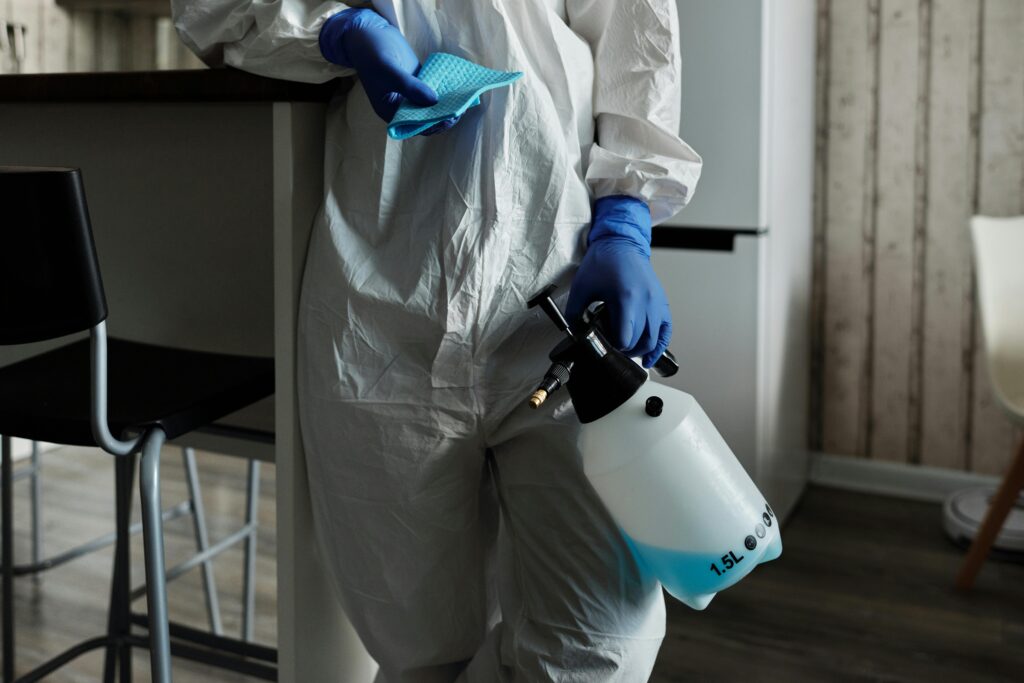
- Personal Protective Equipment (PPE): Full-body suits, respirators, gloves, and eye protection shield our experts from direct contact with mold spores.
- Controlled Entry/Exit: Designated entry and exit points reduce the risk of spreading contamination beyond the containment zone.
- Physical Removal of Mold: This is where the actual eradication takes place. Depending on the type of material and the extent of growth, our techniques for mold removal in Washington, DC include:
- Non-Porous Surfaces: For surfaces like metal, glass, or hard plastics, mold can often be aggressively cleaned using our specialized, eco-friendly solutions.
- Porous and Semi-Porous Materials: Items like drywall, insulation, carpeting, and upholstered furniture that are heavily contaminated often require professional disposal. Our team ensures these materials are bagged and sealed within the containment area before being removed from your property, keeping spores contained.
- Detailed Cleaning: All affected surfaces are meticulously cleaned using our proprietary EPA-registered mold removal product. This deeply penetrates surfaces without harsh chemicals, ensuring complete eradication.
- Encapsulation (if necessary): In some instances, after thorough cleaning and drying, certain non-removable surfaces might be treated with an encapsulating agent to provide extra protection.
- Air Filtration and Purification: Throughout the mold removal process and often for a period afterward, we continuously operate:
- HEPA Air Scrubbers: These machines draw in air and pass it through High-Efficiency Particulate Air (HEPA) filters, trapping microscopic mold spores, dust, pollen, and other allergens. This significantly improves the overall indoor air quality of your Washington, DC home.
- Dehumidifiers: Industrial-grade dehumidifiers are deployed to create an environment inhospitable to mold. This is especially important for basement mold removal in Washington, DC.
- Drying and Structural Drying: After physical removal and cleaning, ensuring all areas are thoroughly dry is critical. Our team uses industrial dehumidifiers to protect structural integrity.
Our Advanced Process and Eco-Friendly Standards: Setting Us Apart in Washington, DC
At Mold and Basement Mold Removal Washington, DC, we exceed typical remediation standards; we work to elevate industry expectations. Our commitment to effective mold eradication and environmental responsibility sets us apart for homeowners and businesses in Washington, DC. We ensure your property is safe while staying eco-conscious.
Beyond Mold: Our Comprehensive Indoor Environment Services for Washington, DC
Mold and Basement Mold Removal Washington, DC is dedicated on creating the healthiest possible indoor environments for our clients across Washington, DC. While mold cleanup and remediation solutions are our main focus, we understand that a truly safe space often demands a more holistic approach. Thats why we offer a comprehensive suite of related offerings designed to address a wide range of indoor air quality and safety concerns.
By pairing our professional remediation solutions with these specialized services, we can offer a tailored strategy that:
- improves your work environment
- mitigates common issues relevant to homes and offices in all communities across Washington, DC
- Ensures a well-maintained and mold-free living or working environment
This holistic approach complements our mold remediation services, ensuring that every aspect of air quality is addressed professionally and thoroughly for our Washington, DC clients.
Air Quality Testing Washington, DC:
What it is: Professional assessment of your indoor air for environmental irritants, not limited to mold. This includes volatile organic compounds (VOCs), allergens like dust mites, pollen, microbial particulates, and fine particles. Why it's important: Hidden contaminants can affect respiratory wellness beyond visible mold. Comprehensive air quality testing in Washington, DC reveals hidden threats, providing a baseline assessment. It's an excellent diagnostic tool for mysterious odors or ongoing respiratory issues. How it complements mold services: Many properties are suspected of mold, but testing may reveal broader environmental concerns. For Washington, DC properties, particularly with seasonal weather changes, testing allows us to address these concerns.
HVAC and Dryer Duct Cleaning Washington, DC:
What it is: Professional duct cleaning of heating, ventilation, air conditioning (HVAC) systems, and dryer vents to remove dust, debris, allergens, and mold spores.
Why it's important: Clogged vents can impact HVAC efficiency. Clogged dryer vents are a common safety hazard. Cleaning improves air hygiene and system safety.
How it complements mold services: After mold removal, cleaning HVAC ducts maintains a clean, safe environment.
Indoor Odor Removal Washington, DC:
What it is: Neutralization of pervasive, unpleasant odors that remain after source removal. Sources include smoke, pets, cooking, persistent mold, decaying matter, or chemical spills.
Why it's important: Lingering smells affect comfort and may indicate moisture or contamination. Our professional odor neutralization services neutralize odors at their source.
How it complements mold services: While mold removal addresses musty smells, some properties may have combined odor issues.
Indoor Disinfection Washington, DC:
What it is: Use of safe sanitizing solutions to surfaces and air to eliminate microbial contaminants.
Why it's important: Especially for commercial properties, professional disinfection restores healthy conditions.
How it complements mold services: Post-mold treatment, sanitization complements the remediation effort, especially if additional microbial contamination was present.
Crawl Space Encapsulation Washington, DC:
What it is: Moisture-proofing your crawl space to maintain a clean and safe foundation environment. This typically involves installing a heavy-duty vapor barrier, sealing vents, and installing a specialized dehumidifier.
Why it's important: An unconditioned crawl space in Washington, DC can cause humidity, mold, pests, and energy loss. Encapsulation enhances indoor air quality and reduces utility bills.
How it complements mold services: Basement mold or home-wide mold often originate in damp crawl spaces. Encapsulation is essential after remediation.
Probiotic Air Purification Washington, DC:
What it is: Deployment of beneficial, non-pathogenic bacteria (probiotics) into the indoor environment to suppress harmful microbes.
Why it's important: This innovative method in Washington, DC creates a microscopic protective layer and improves air quality over time.
How it complements mold services: After mold removal, probiotic air purification serves as a preventative measure.
Tailored Home and Business Solutions in Washington, DC:
At Mold and Basement Mold Removal Washington, DC, we dont believe in one-size-fits-all solutions. Our specialists will perform a detailed inspection, review your goals, and suggest tailored solutions for your residential or commercial property in Washington, DC. We are focused on providing clear guidance and offering solutions that enhance health, comfort, and safety indoors.
- Lingering Damp or Pungent Odors: If you notice a distinct earthy or pungent smell, especially in areas like basements, bathrooms, or closets, it’s a strong indicator of hidden mold growth. Odors are commonly the earliest warning sign of mold.
Visible Mold Growth Exceeding 10 Square Feet: As per EPA guidelines, any mold patch larger than approximately 33 feet should be handled by professionals. This is because larger infestations increase the risk of spore dispersal and exposure to harmful mycotoxins during removal.
Water Damage Events: If your Washington, DC property has experienced a flood, burst pipe, significant leak, or any water intrusion event, even if it appears dry, mold can rapidly grow within 2448 hours. Professional inspection and preventative measures are essential.
Increased Allergy or Asthma Symptoms: Health symptoms without a clear cause often point to hidden mold exposure.
Visible Surface Damage: Stains, discoloration, peeling paint, or bubbling wallpaper can indicate water damage and subsequent mold growth behind the surface.
Excessive Moisture Condensation: Persistent condensation is a common contributor to mold infestations.
Past Mold Issues: A past mold history increases the need for expert evaluation.
Compromised Immune Systems: Sensitive individuals require immediate professional attention when mold is present.
Unknown Moisture Marks: Any new or expanding stains on walls, ceilings, or upholstery without a clear cause should be professionally evaluated.
- Home Mold Test Indicators: While DIY kits can indicate the presence of mold, they cannot identify species or extent. Professional testing and remediation are the next crucial steps.
If you observe any of these signs in your Washington, DC home or business, it’s vital to seek professional help promptly. The Mold Guys possess the expertise and equipment to accurately diagnose the problem and implement a safe, effective solution.
Recognizing the Enemy: Signs of Mold in Your Washington, DC Home
Mold is cunning; it often develops in out-of-sight locations before showing visible signs. However, your senses and careful observation can be powerful tools in detecting its presence. Noticing mold early in your Washington, DC home can protect both your wallet and your familys well-being.
Key Indicators to Watch Out For:
Musty Odor: One of the first signs homeowners notice. Mold produces microbial volatile organic compounds (MVOCs), which create a distinct, musty smell. If you notice a continuous musty odor in your home, especially after moist conditions, it’s a warning of hidden mold, even if you see no surface mold.
Consider: Do you smell it more strongly in certain areas? Does it get worse when the HVAC system runs?
Visible Growth: Mold can manifest in different forms and shades, depending on the species and the surface.
- Colors: Black, green, white, gray, yellow, blue, or pink/orange. Black mold in Washington, DC homes is a common concern, but every mold color warrants attention.
- Textures: Can feel fuzzy, slimy, powdery, or resemble cotton.
- Locations: Check walls, ceilings, floors, window sills, carpets, or pipes for patches. Dont forget hidden areas like the backs of closets, under sinks, or behind furniture, especially in damp zones.
Water Stains or Discoloration: Unexplained water stains or discoloration on any surface can signal water leaks, which is a key factor for mold development. Even if the stain appears dry, mold may thrive behind the surface.
Pay attention to: Brownish-yellow stains, bubbling or peeling paint, or warped drywallall are serious concerns for mold in Washington, DC properties.
Condensation: Persistent condensation on windows, pipes, or walls can create the ideal humid environment for mold. While occasional condensation is normal, ongoing moisture is a warning sign.
Look for: Water droplets that dont dry quickly.
Peeling, Bubbling, or Cracking Paint/Wallpapers: Moisture behind walls can cause paint or wallpaper to lose adhesion, providing a favorable environment for fungal growth.
Warped or Cupped Flooring/Wood: Excess moisture can cause wood flooring, subflooring, or structural wood to swell, warp, or cup. Mold growth often follows these signs. These are frequent in Washington, DC basements.
Unexplained Health Symptoms: Mold exposure can trigger a range of health issues, especially in sensitive individuals. Watch for:
- Frequent sneezing, nasal congestion, or watery eyes
- Respiratory irritation or asthma flare-ups
- Itchy skin or eczema-like reactions
- Headaches
- Low energy or brain fog
- Red, itchy eyes
- Sudden breathing difficulties at home
Symptoms that improve when leaving or entering your Washington, DC home may indicate mold exposure.
Damp or Leaky Areas: Regularly inspect moist hotspots in your Washington, DC property:
- Basements and Crawl Spaces: High-risk zones. Look for efflorescence (white, powdery residue) on concrete, indicating water seepage. Basement mold in Washington, DC is a pervasive issue.
- Bathrooms: Check around showers, tubs, toilets, and sinks.
- Kitchens: Inspect under sinks, near dishwashers, and refrigerators.
Attics: Look for roof leaks, poor ventilation, or condensation.
Act Quickly if You Suspect Mold In Washington, DC
When signs of mold appear in your Washington, DC residence, it’s imperative to act quickly. Ignoring mold will only allow it to spread, resulting in bigger cleanup costs and long-term health hazards. Mold growth accelerates quickly, potentially affecting new areas in just one to two days.
Call the team at Mold and Basement Mold Removal Washington, DC for a thorough inspection. Our professionals specialize in detecting hidden mold and deliver a step-by-step mold remediation and removal plan tailored to your Washington, DC property. Ensure your indoor environment is safedont wait.
